Talento Hoy is an independent financial comparison platform. We may earn a commission when you click through.
Kenya Personal Loans: Rates, Terms, and Cost Traps
Compare 10 Kenyan personal loans, from 11% bank rates to triple-digit app pricing, and learn which terms deserve scrutiny.
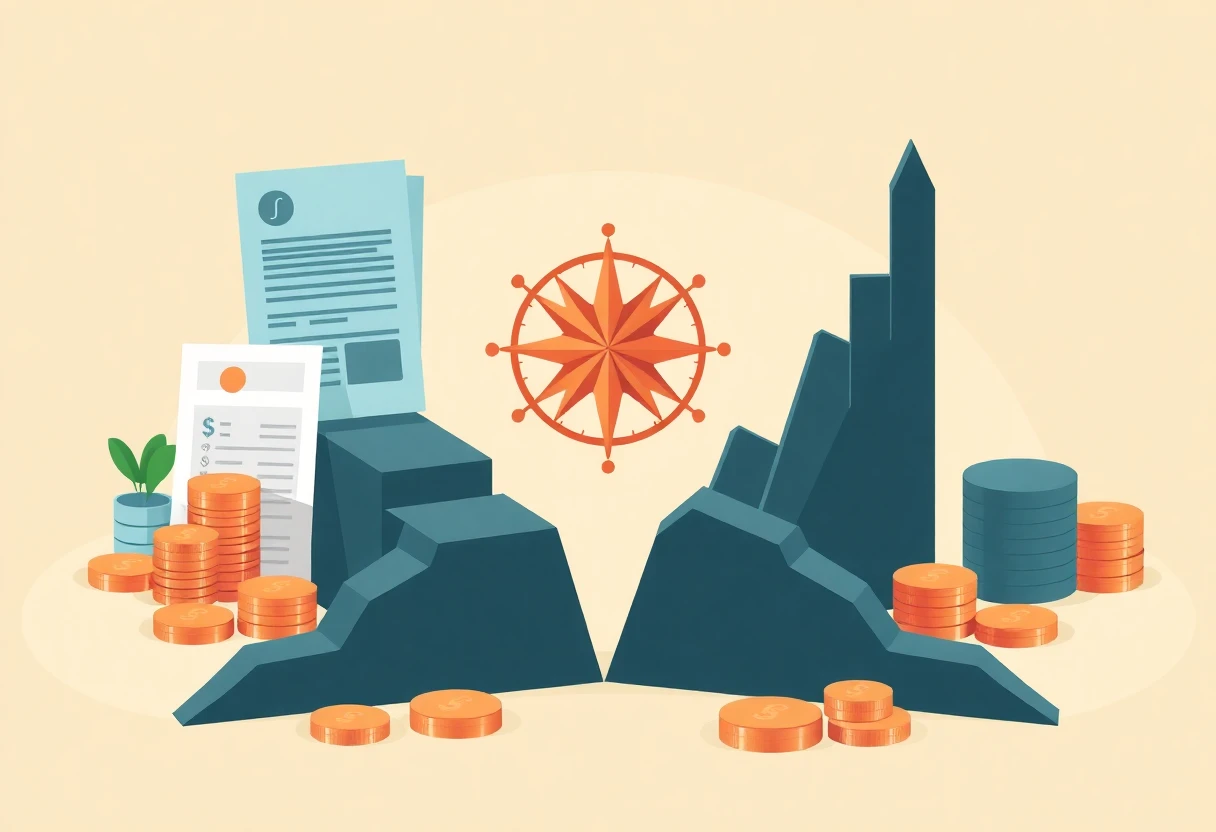
The gap between Kenya's lowest listed personal-loan rate and its most expensive app pricing is enormous: 11% versus 108%. The headline rate matters, but loan length, fees, approval criteria, and the total repayment figure matter more.
This guide compares bank loans with digital lending apps, then gives you a practical way to narrow the list before applying.
Rates and terms shown are representative. Your actual rate depends on your credit profile and circumstances. This is not financial advice — always read the lender's terms before applying.
What to check before applying
- Rate type: confirm whether the quoted figure is annual, monthly, flat, or reducing-balance pricing.
- Total repayment: compare the full amount due, not just the advertised percentage.
- Term: a longer term can lower each instalment while increasing total interest.
- Fees: ask about processing, insurance, late-payment, and early-settlement charges.
- Eligibility: verify income, account history, employment, collateral, and credit-check requirements.
Several listings provide only a rate range or maximum term, so the figures below are comparison points rather than personalised quotes. The official pages for Ecobank and Stanbic Bank should be checked for current eligibility and fees.

Bank loans with the lowest listed rates
The cheapest published starting rates in this comparison come from Ecobank and Stanbic Bank at 11%. That does not automatically make either loan cheapest for you: approval criteria, fees, and the repayment schedule can change the final cost. The main mistake is treating a starting rate as the rate every applicant receives.
Ecobank Kenya Personal Loan
Ecobank has the lowest listed starting rate in this group at 11%, with a reported range up to 15% and a term of up to nine months. That combination suits a borrower who can repay quickly and qualifies near the lower end of the range. The short maximum term is the limitation: a $5,000-equivalent balance repaid over nine months can create a heavy monthly obligation even before fees. The listing does not provide a full fee schedule or eligibility threshold, so request the total repayment figure before accepting. Compared with National Bank of Kenya and KCB Bank, Ecobank starts lower, but the shorter listed term may matter more than a few percentage points of interest.
Stanbic Bank Unsecured Personal Loan
Stanbic Bank also lists rates from 11%, but its stated term reaches 96 months, far beyond the nine-month maximum shown by several other entries. The official page describes an unsecured personal loan and highlights zero security and instant approval language, although applicants still need to confirm the actual approval conditions and pricing. The long term can reduce monthly pressure, yet it may increase total interest substantially. This is the better comparison point for a salaried borrower who needs manageable instalments rather than the shortest possible payoff. Ask Stanbic to show both the monthly payment and total repayment at the offered rate.

Zenka Personal Loan: Quick Mobile Loans
Zenka is a different product category from the bank loans above: its website advertises borrowing up to 200,000 KES through an app, while the supplied listing does not publish an APR or fee range. That missing price is the central drawback, not a minor detail. Zenka may appeal to someone who needs a smaller digital loan and values an app-based process, but no borrower should compare it with an 11% bank loan until the exact fee, due date, rollover policy, and total repayment are visible. Treat the absence of a published rate as a reason to pause and request a written quote.

I&M Bank Personal Loan
I&M Bank lists a 13% to 16% range, placing it above the 11% starting rates from Ecobank and Stanbic but below the higher-priced digital options. Its supplied page focuses on the I&M OTG app and remote account management, so the digital access is clearer than the loan pricing detail. This may suit an existing I&M customer who wants to manage borrowing through the same banking relationship, provided the lender confirms fees and repayment terms. It is less compelling for a rate-first borrower who can qualify for Ecobank or Stanbic's lower advertised starting points.

ABSA Bank Kenya Personal Loan
ABSA Bank's listed 13% to 16% range is similar to I&M Bank's, so the decision should turn on eligibility, fees, and service access rather than the headline rate alone. The official page includes a warning that some services may involve other companies and that separate privacy policies can apply; read that notice before submitting personal information. ABSA is a reasonable comparison for a borrower who wants a mainstream bank loan, but the supplied material does not show a maximum amount, term, or fee schedule. Get those details in writing before ranking it above Ecobank or Stanbic.
DTB Personal Loan
DTB lists a 14% to 17% personal-loan range, higher than ABSA and I&M on the supplied figures. Its official page specifically advertises an unsecured school-fees loan of up to 1,000,000 KES per student, which makes the use case more concrete than a generic personal-loan description. That larger stated ceiling may matter for education costs, but it does not prove the same amount or rate applies to every personal expense. Compare the school-fees product separately from ordinary borrowing, and confirm repayment frequency, fees, and the consequences of missed instalments.

Bank pricing is easier to compare because the listed ranges are visible, but the terms are not equally flexible. Stanbic's 96-month maximum is the outlier; Ecobank, ABSA, I&M, and DTB need more detailed quotes before a fair total-cost ranking is possible. Digital lenders introduce a different risk: speed and convenience can hide a far higher effective price.
Short-term apps and higher-cost borrowing
The next four products are not interchangeable with the bank loans above. They may help with a small, urgent cash need, but the published ranges show why a quick approval can become expensive debt. Use these only after checking the exact amount due and the repayment date.
National Bank of Kenya Personal Loan
National Bank of Kenya lists rates from 14% to 18% and a term of up to nine months. That is more expensive at the starting point than Ecobank or Stanbic, but it remains far below Branch and KCB M-PESA on the supplied figures. The short term means this loan is better for a borrower with predictable income who can clear the balance quickly, not someone already juggling several monthly obligations. The listing does not expose fees or detailed eligibility information, so ask for the net amount disbursed and the total repayment rather than relying on the rate range alone.

KCB Bank Personal Loan
KCB Bank's listed 15% to 18% range is among the higher bank rates here, but it is still dramatically below the 88% to 107% range shown for KCB M-PESA. That difference matters more than the shared brand name. A borrower with the income and documentation required for a conventional KCB personal loan should compare it before using the mobile product. The supplied page does not show the bank loan's term, fees, or approval rules, so the rate alone cannot establish the final winner.

Branch Personal Loan
Branch lists a very wide 24% to 108% range, with terms up to nine months. The upper end is the warning sign: a borrower approved near 108% could pay far more than someone receiving the advertised floor, even for the same principal. Its website emphasises app-based borrowing and less paperwork, which may appeal during an urgent cash shortfall, but convenience does not reduce the cost of credit. Use Branch only after checking the exact repayment amount, late fees, and whether the quote is annualised or calculated another way.

KCB M-PESA Loan
KCB M-PESA has the harshest listed pricing in this comparison at 88% to 107%, despite sharing the KCB name with a conventional bank loan listed at 15% to 18%. That contrast is the most useful fact in the entire group: the product channel can matter as much as the lender brand. It may be accessible for a small, short-term need, but the repayment deadline and total fee deserve more attention than the speed of disbursement. Borrowers who qualify for a bank instalment loan should price that alternative first.

Common mistakes that inflate the bill
- Comparing percentages without the same term: a 14% loan over nine months is not directly comparable with an 11% loan over 96 months.
- Ignoring the amount received: a processing fee deducted upfront means the borrower may receive less than the approved principal while repaying against the larger figure.
- Assuming an app loan is cheap because it is small: a small balance can still carry a very high effective cost.
- Using one loan to cover another: refinancing may help only if the new total repayment is lower and the old account is closed properly.
- Skipping the written offer: save the quote showing rate, fees, due dates, late charges, and early-settlement terms.
A quick decision framework
Need the lowest listed rate? Start with Ecobank or Stanbic, both shown at 11%, then compare the total repayment and eligibility requirements.
Need a longer repayment window? Stanbic is the only listing here with a stated maximum of 96 months, but a longer term can increase total interest.
Need a school-fees loan? DTB specifically advertises up to 1,000,000 KES per student; confirm that the published product fits the expense and repayment schedule.
Need a small digital loan quickly? Zenka, Branch, and KCB M-PESA may be relevant, but Zenka has no supplied APR and the other two show much higher published ranges. Ask for the exact total before accepting.
Can you qualify for a bank loan? Price KCB Bank or National Bank of Kenya before using KCB M-PESA or Branch. The rate gap can be enormous.
My practical shortlist is Stanbic for flexible repayment, Ecobank for the lowest listed starting rate, and DTB for a clearly described school-fees use case. Digital apps belong at the end of the comparison, not the beginning, unless the borrower has checked the full repayment amount and has a firm plan to clear it.
Rate differences can change the cost more than most borrowers expect. For a deeper comparison of how Kenyan loan pricing affects repayment, read Kenya Personal Loans: Rate Gaps That Change the Cost.